What Causes Arthritis?
There is no single cause of arthritis because the term covers several different diseases. One of the reasons some people are affected by arthritis is that the tissues in the joints are either worn out gradually or are hurt. Some people are even affected by arthritis when their immune system decides to attack the healthy tissues. Some forms of arthritis are connected to the formation of crystals or to infections as causes.
The overall cause of arthritis is diagnosed on the basis of which arthritis people are suffering from:
1. Osteoarthritis: Joint Damage Over Time
The most widely spread kind of arthritis is definitely osteoarthritis or OA. It develops due to changes or break down of cartilage and other joint tissues. Although it is sometimes called “wear and tear” arthritis, OA is more complicated than simple mechanical wear.
We have identified numerous reasons that may result in osteoarthritis:
- Previous injuries to joints: Chances of having osteoarthritis increase if you have suffered an injury like a fall or a sport-related injury, fracture, or surgery.
- Influence of age: Osteoarthritis (OA) is more likely to develop as people age, but that does not mean it’s a natural part of aging.
- Weight gain: An increase in body weight can lead to additional wear and tear on joints like the knees and hips which have to carry the weight.
- Joint fatigue: Joints suffer from repetitive movements such as bending and squatting over time and will need to bear a lot more pressure.
2. Rheumatoid Arthritis: An Autoimmune Disease
Rheumatoid arthritis (RA) is not a type of inflammatory arthritis but an autoimmune disease. In this condition the immune system thinks of the body’s own tissues as an enemy and attacks the joint membrane or ttissues.
The cause of RA is unknown but may be related to a combination of genetic, environmental and other biological factors that influence the development of the disease which include smoking, obesity and other environmental exposures.
3. Gout: Inflammatory Disease
Gout is an inflammatory disease where crystalised uric acid accumulate within joints. These crystals causes joint inflammation, raising severe and sudden pain, most often in the big toe or other single joint.
High levels of uric acid may be associated with obesity, decreased kidney function, some medications, and diets high in purine-containing foods. But a higher level of uric acid does not mean that a person will develop gout.
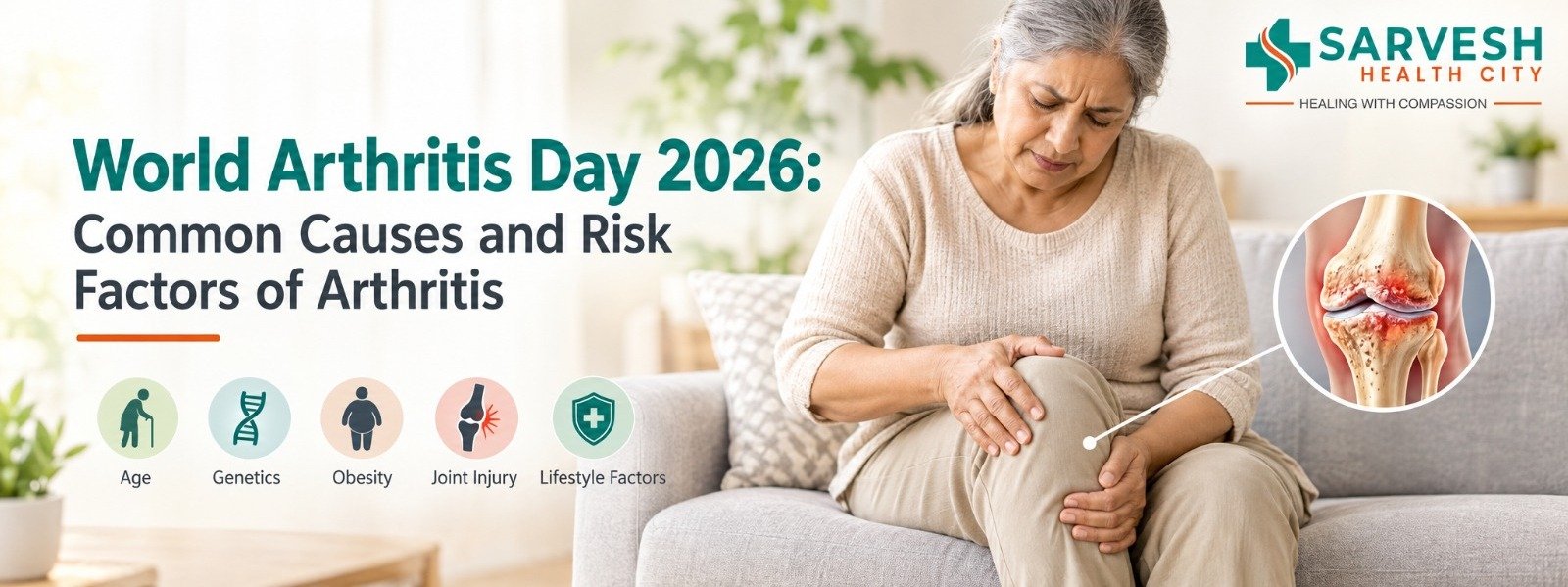
Common Risk Factors for Arthritis
Just because you have risk factors doesn’t mean you will get arthritis. It only means you are at greater risk of getting arthritis than others who don’t have risk factors. Some are immutable, and some can be managed by lifestyle or medical care.
- Age: Chance of getting arthritis becomes more prominent in the old age. Nevertheless, people with joint injuries or those who have autoimmune disease can also get arthritis in their early age.
- Sex: Some forms of arthritis are reported to be common in girls, while others are common in boys. For example, gout, osteoarthritis and rheumatoid arthritis is commonly seen in men; however, the reasons for these sex disparities remain vague.
- Family History and Genetics: If someone close to you in the family has arthritis, you may also be more susceptible to developing it. Although genes make us more likely to get diseases, they are not a certainty.
- Overweight and Obesity: Extra weight puts more stress on joints, and knee joint health can change; it also increases your risk of rheumatoid arthritis and gout.
- Previous Injuries and Repetitive Activities: Having a past joint injury or repetitive tedious activities and sports makes you more prone to getting arthritis later in life.
- Smoking and Other Health Conditions: Smoking is one of the biggest things you can change about your habits to prevent rheumatoid arthritis. Moreover, some types of arthritis may share a common risk with certain health problems that include diabetes and kidney issues.
Can Arthritis Risk Be Reduced?
Arthritis may not be preventable in every instance. Age, genetics, and some pre-existing conditions are factors that one cannot modify. Nevertheless, some of the behaviors people adopt can contribute to good joint condition and maybe even help reduce the risk or control the symptoms.
Consistent physical exercises contribute to the preservation of muscle mass and good joint performance. These activities can be customized depending on a person’s age, level of fitness, existing joint issues, and doctor’s consultation.
If you develop ongoing swelling of the joints, long-lasting morning stiffness, repeated episodes of joint pain, or diminished mobility, do not attribute it to old age but seek a medical evaluation. Early assessment is particularly important when rheumatoid arthritis is suspected since early treatment can help limit joint damage.
Final Thoughts
The usual causes and risk factors for arthritis vary quite a bit, depending on the type of disease. Age, genetics, prior joint injury, obesity, smoking, autoimmune processes, and crystal deposits can all play a role to varying degrees. Some risks cannot be altered, but good long-term joint health can be supported by maintaining a normal weight, being physically active, protecting joints from injury, and seeking timely medical advice.
If you are looking for the Best Orthopedic Hospital in Hisar, then Sarvesh Health City is the right place for you. Sarvesh Health City offers orthopedic, joint replacement and rehabilitation services to patients with joint and musculoskeletal problems.