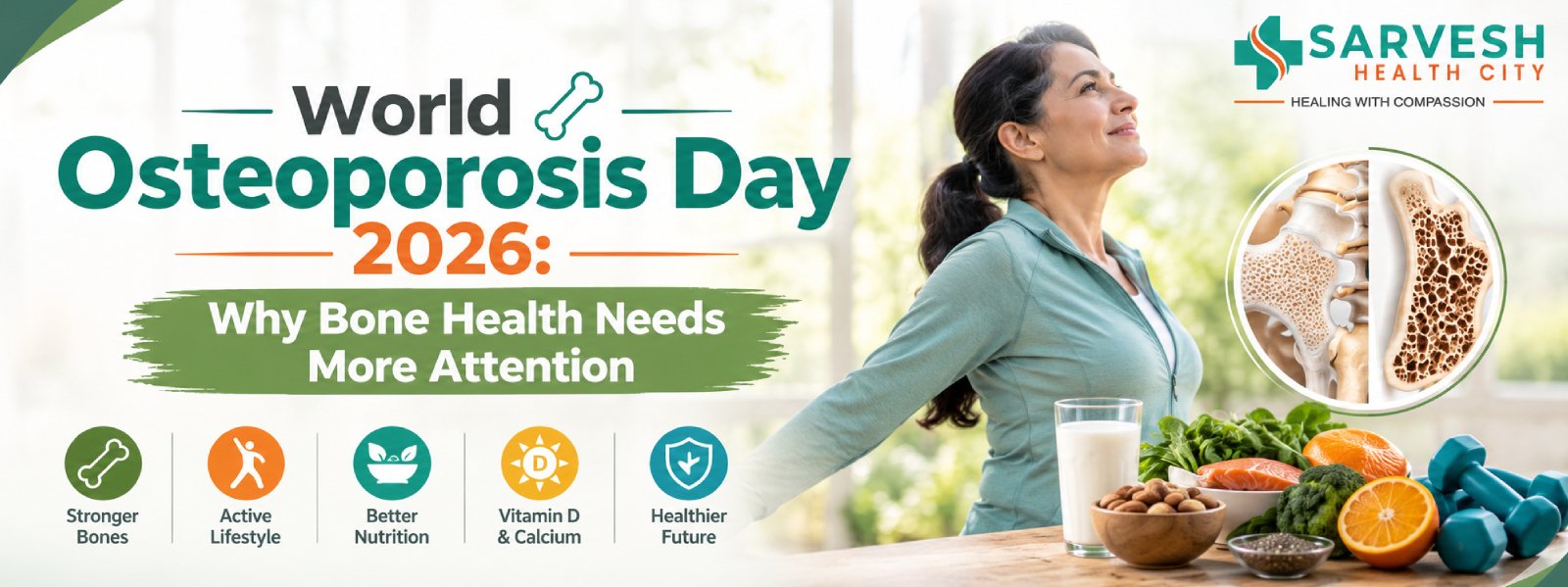
World Osteoporosis Day 2026 occurs annually on 20 October. It aims to draw attention to osteoporosis, which is a disease that gradually leads to weak bones and increased risk of fractures.
Bone problems can remain unnoticed in their initial stage as bone loss usually takes place quietly without any signs. However, as people get older, it becomes crucial for them to have healthy bones. Nevertheless, osteoporosis affects not only elderly people. This disease can be caused by poor nutrition, sedentary lifestyle, hormonal changes, medical conditions and some medications.
Today’s World Osteoporosis Day needs to explain the nature of the disease, identify those who are at risk and provide recommendations on preventing bone problems.
Quick Facts About Osteoporosis
- Major Risk Factors of Osteoporosis
Ageing, genetics, low calcium or vitamin D intake, lack of exercise, smoking, excessive alcohol consumption, and certain medications can increase the risk. - Early Symptoms of Osteoporosis
Osteoporosis often develops without noticeable symptoms. A fracture after a minor fall may be the first sign of weakened bones. - How to Prevent Osteoporosis?
A healthy lifestyle, adequate calcium and vitamin D intake, weight-bearing and muscle-strengthening exercises, quitting smoking, and limiting alcohol can help maintain bone health.
What Is Osteoporosis?
Osteoporosis is a bone disease that causes bone mass and bone structure to decrease; therefore, bones become fragile and cause bone fracture. Bone is continually renewed in the normal processes of bone formation and resorption. In osteoporosis, bone resorption may be greater than bone formation.
This can happen to anyone, no matter how old they are, though it is seen most often in older people. The post-menopausal female population is at a high risk due to decreased levels of estrogen resulting in increased bone resorption.
Why Is World Osteoporosis Day Important?
World Osteoporosis Day celebrated each year on 20 October is significant since it brings awareness on osteoporosis, a disease which makes bones fragile and increases bone fractures. The day brings awareness on the need for individuals to be aware of bone health and the risk factors of developing osteoporosis.
The day brings awareness on the significance of good nutrition, exercise, screening, and proper medical attention as ways of maintaining good bone health and preventing bone fractures.
In addition, World Osteoporosis Day plays a role of educating people on osteoporosis regardless of their age. Even though the risk increases with age, various other factors such as hormonal changes, lack of calcium and vitamin D, lack of exercise, medical conditions, and some drugs may increase bone health risks.
Why Does Bone Health Need More Attention?
Bone health is often ignored because people generally do not feel their bones becoming weaker. Unlike conditions that cause immediate symptoms, osteoporosis can progress silently for years.
Here are just a few of the reasons why Bone Health Need More Attention:
1. Bone Loss Occurs Silently
Osteoporosis usually does not present any symptoms until later on in the process. You won’t know that you have low bone density.
2. Fractures Affect Quality of Life
The falls resulting from osteoporosis may lead to issues in mobility and independence. Hip and spinal fractures are especially problematic.
3. Age Can Increase the Risk
Bone density declines with age. The change in hormones can mean women lose bone more quickly after the menopause.
4. Early Action Can Help
Knowing your risk factors and living a healthy lifestyle, you can lower your risk of losing large amounts of bone and breaking bones.
What Causes Osteoporosis?
Osteoporosis can be caused by several factors. Some of them can’t be changed, like age and family history, and some are related to lifestyle and health conditions.
Important risk factors are:
- Growing older
- History of osteoporosis in family
- Menopause
- Not enough calcium
- Vitamin D lack
- Too much booze
- Some medicines over time
- Prior fractures
Knowing these risk factors can help people to discuss bone health with a healthcare professional at the right time.
Signs and Symptoms of Osteoporosis
Osteoporosis is also known as the “silent disease,” and this is because initially there may be no signs or symptoms of it.
Signs may include:
- Broken bones from minor falls or injuries
- Long-lasting back pain
- Loss of height with age
- A posture that is bent or curved
- Recurrent fractures
- Mobility loss after fractures
A sudden fracture without significant trauma should be evaluated by a health care professional.
How Is Osteoporosis Diagnosed?
Osteoporosis may be diagnosed using history taking, risk factor assessment, physical examinations, and investigations.
Bone density tests include Bone Mineral Density (BMD). It is a test carried out using the DEXA or DXA scan to determine bone density.
In certain cases, a physician may advise blood tests or other types of investigation to find out what causes the loss of bone mass.
How Can You Protect Your Bone Health?
It is important to take care of one’s bones before losing bone density.
Maintain Adequate Calcium Intake
Calcium is an essential mineral necessary for bone composition. Calcium can be obtained from various food sources including milk products, green vegetables, fortified foods, and more.
Get Enough Vitamin D
Vitamin D facilitates the absorption of calcium in the body.Some examples of the sources of Vitamin D include sun exposure and eating foods rich in vitamin D.
Stay Physically Active
Participating in physical activities like weight-bearing and resistance exercises may be beneficial for maintaining the health of your bones and muscles.. The activity must suit the age and fitness level of the individual.
Maintain a Healthy Body Weight
Having a very low body mass can pose a risk of developing low bone mineral density.
Choosing the Right Orthopedic Care for Bone Health
Bone health involves more than treating a fracture after it happens. Assessment, diagnosis, prevention and appropriate treatment all have an important role.
Sarvesh Health City is offering orthopedic and musculoskeletal healthcare services to the people of Hisar looking for specialized orthopedic healthcare. People concerned about osteoporosis, weak bones, fractures or bone problems related to aging can consult a relevant specialist for evaluation and individualized advice.
If you are looking for the Best Orthopedic Hospital in Hisar, then choose the hospital with proper diagnostic facilities and specialist orthopedic care, which can help to ensure that bone and joint concerns are evaluated properly
Conclusion
World Osteoporosis Day is an opportunity to remember that strong bones are an important part of healthy ageing and everyday independence.
Osteoporosis can be symptomless, but that does not mean you should neglect your bones.. Having healthier bones can be achieved through a well-rounded diet, sufficient calcium and vitamin D, regular physical activity, avoiding smoking, limiting excessive alcohol and tackling risk factors early.
If you have risk factors or symptoms related to weak bones, fractures or osteoporosis, do not wait until you have a serious fracture but instead talk to a qualified healthcare professional.
Sarvesh Health City is committed to helping patients in orthopedics assessments and management. An essential step in safeguarding bone health and mobility is taking action at the right time.
Frequently Asked Questions
Q1. What are the symptoms of osteoporosis?
Ans. There are no early symptoms in osteoporosis. In some cases, it is only when people experience broken bones that they know that they have osteoporosis. Late symptoms include back pain, loss of stature, and postural changes.
Q2. Who is most likely to develop osteoporosis?
Ans. Some people that have a greater chance of developing osteoporosis include elderly persons, post-menopausal women, people with a family history of the condition, low body weight, and some medical and lifestyle risk factors.
Q3. Can walking improve bone health?
Ans. Weight bearing activities such as walking are good for your bones and muscles. However, people with osteoporosis and broken bones may need to establish a proper routine of exercises.
Q4. How is osteoporosis diagnosed?
Ans. Your doctor can determine your risk factors and medical history and recommend a BMD test for you. Usually, this test is performed with DEXA/DXA scanning.
Q5. When to see an Orthopedic Specialist for Bone Health?
Ans. If you had a fracture with a minor trauma, had recurrent fractures, have chronic pain in your bones or back, are shrinking in stature, had a change in posture or have an osteoporosis risk factor you might want to visit an orthopedic doctor.
Media Enquiries
- Sarvesh Health City
- Sarvesh Health City Site No. 1, Sector 14, Hisar – 125001 (Haryana)
- +91 6901 626262
- +91 6901 636363
Social Media
Healthcare at your fingertips


ORTHOPEDIC SURGEON
Expert orthopedic surgeon for joint, bone & spine care. Book your consultation today for advanced treatment & faster recovery!