DR. (COL) RAJIV PAKHETRA - View Profile
Best PCOS Treatment in Hisar at Sarvesh Health City
Polycystic ovarian syndrome, also called PCOS, is a well-known hormonal disorder that can affect a woman’s menstrual cycle, fertility, skin as well as her metabolism. Some women with PCOS have menstrual cycle irregularity, develop pimples, unwanted facial hair and unexplained weight changes as the symptoms of the condition. Although the symptoms differ from person to person, a regular check-up with the doctor may help the patient avoid complications from an untreated condition and control it appropriately. At Sarvesh Health City, women can consult with experienced endocrinology specialist Dr. (Col.) Rajiv Pakhetra for PCOS treatment in Hisar. Knowing the causes, symptoms and treatments can help women look after their hormonal and reproductive health.
What Is PCOS?
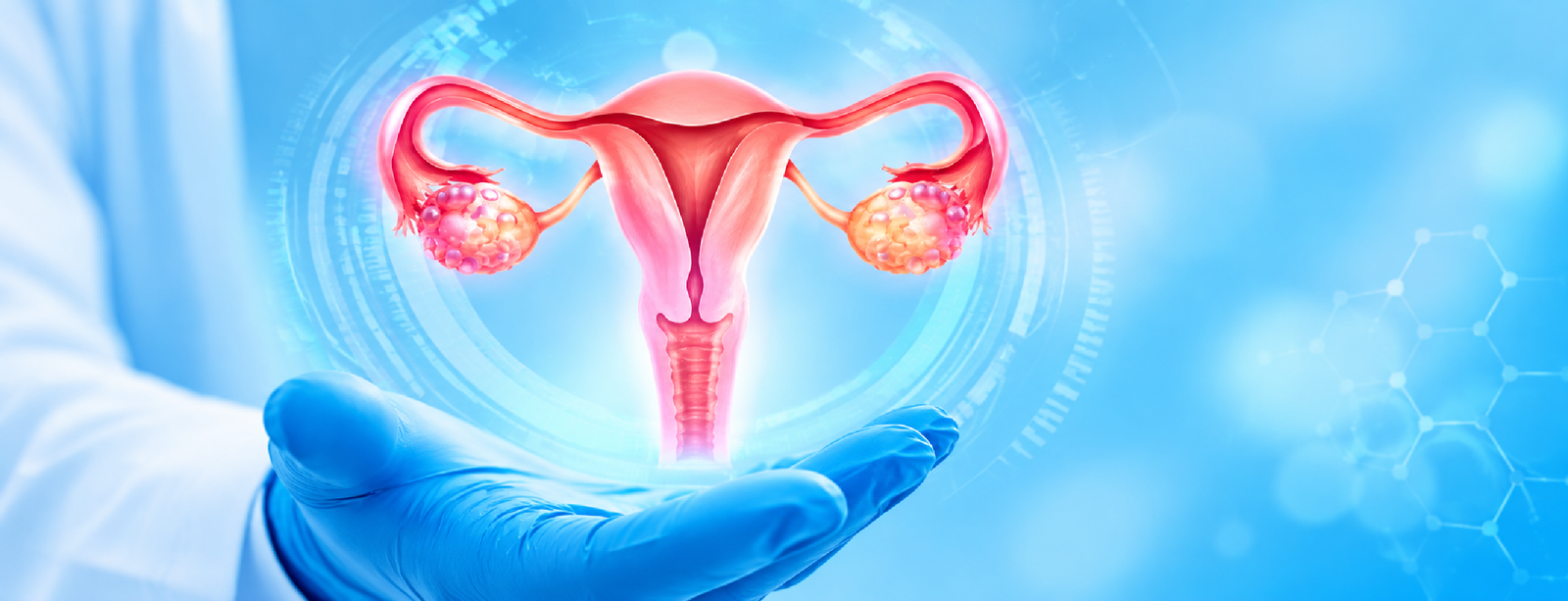
Polycystic Ovary Syndrome (PCOS) is a hormone related disease which can affect the function of the ovaries. Women with PCOS often suffer from higher levels of androgens (hormones that are typically found in higher levels in men) or may experience irregular ovulation.
Many women with PCOS can also suffer from insulin resistance. This means the body isn’t reacting to insulin correctly and extra insulin is produced. This can cause an increase in androgen hormones and irregular periods.
Just because it is referred to as polycystic doesn’t mean all women will have ovarian cysts. This can be diagnosed by assessing symptoms, taking a medical history, examination, and investigations.
What Are the Common Symptoms of PCOS?
Some women may have irregular periods whilst others may have skin issues, unwanted hair growth or weight issues, however some of the common symptoms include:
- Irregular periods or missing periods.
- Heavy or long periods.
- Excess facial or body hair.
- Persistent acne and pimples.
- Excessive hair loss
- Weight gain or difficulty losing weight.
- Difficulties getting pregnant due to irregular ovulation.
- Dark patchy skin around the neck, armpits or groin area. This can be linked to insulin resistance.
Not all women will display all of these symptoms. If you’re having issues with irregular periods or hormonal changes, you can speak to a endocrinologist to determine the cause.
How Is PCOS Diagnosed?
The confirmation of PCOS does not rely on a single diagnostic tool. An endocrinologist reviews the patient’s symptoms, menstrual history, examination findings, and investigation results before concluding a diagnosis. Also, other conditions that can present similar symptoms may need to be excluded.
Assessment of the patient can result in the following:
- Medical history: This will help clinicians to understand what your periods are like, any weight issues, acne, unwanted hair growth, and family history.
- Hormone tests: Clinicians may perform blood tests to see if you have high levels of androgen hormones and rule out other hormonal disorders.
- Pelvic ultrasound: It is an investigation of the ovaries, and it looks for features that can be associated with PCOS, where applicable.
- Blood sugar testing: Blood sugar test is done for evaluation of diabetes risk due to insulin resistance that may have develop due to PCOS.
- Lipid profile: Cholesterol and triglyceride levels are considered worth checking to look for metabolic health.
Blood pressure and other risk factors for metabolic problems might also be evaluated at the same time
What Are the Treatment Options for PCOS?
Mostly, PCOS management includes symptom relief, restoration of hormonal cycle, improvement of overall metabolic condition, and addressing infertility issues. The therapy approach is based on the symptoms, medical history, and if the patient is trying to conceive, among others.
- Lifestyle Changes
Lifestyle changes are an important part of PCOS treatment which includes regular physical exercise, eating balanced meals, and getting enough sleep. Being physically active help improve insulin resistance and the overall metabolism which got affected by PCOS.
- PCOS Hormonal Treatment
Hormonal treatment may be recommended to help with regulating your periods and managing symptoms caused by increased androgen hormones, and you may be prescribed:
- Combined Oral Contraceptive Pill. To regulate your periods and help reduce the problem of acne and unwanted hair growth on face and body.
- Progestin. This can help protect your womb lining if you’re having infrequent periods.
- Anti-androgens. In some cases, anti-androgens can help with unwanted hair.
Your medication will depend on your health, whether you are trying to conceive, and potential side effects. All medication should be taken under medical supervision.
- Managing Insulin Resistance
Many women with PCOS suffer from insulin resistance. This can increase the risk of developing type 2 diabetes. Making lifestyle changes will help manage this.
In some cases, your doctor may prescribe you metformin to help increase your insulin sensitivity. This can help some women to have more regular periods, however, it is not essential for everyone with PCOS.
- Fertility Treatment
Women who suffer from PCOS may experience difficulty when trying to concieve, however, there are several ways to increase the chances of conception.
If you are trying to conceive, you may be prescribed medication to help with ovulation. Letrozole is generally the first line of treatment for women with PCOS-related infertility due to irregular ovulation and no other infertility factors.
Why Is Regular Monitoring Important in PCOS?
The monitoring of PCOS is necessary mainly because the disease affects the functioning of the body beyond the female reproductive system. The risk factors women with PCOS have such as diabetes, heart disease, and abnormal lipids are just some of the reasons why monitoring should be done regularly. It is also a way to find out if the prescribed treatment is effective and if the patient has improved over time.
Regular follow-up can help monitor the issues and ensure your treatment is working and the doctors may check your:
- Glucose levels.
- Cholesterol and triglycerides.
- Blood pressure.
- Menstrual cycle
- Changes in weight and other metabolic symptoms.
Why Choose Sarvesh Health City for PCOS Treatment in Hisar?
Women seeking PCOS treatment in Hisar or any nearby city of Haryana can contact Sarvesh Health Care to book an appointment with Dr. (Col.) Rajiv Pakhetra who is an expert in Endocrinology. We offer:
- PCOS Experts providing treatment under the supervision of Dr. (Col.) Rajiv Pakhetra (Endocrinologist).
Gynaecology department for women suffering from irregular periods and hormonal imbalance. - Nutritionists and Diet experts for PCOS-related diet and food habits.
When Should You Consult a PCOS Specialist?
If you’re experiencing irregular periods alongside hormonal changes, you should not ignore this. Early diagnosis of PCOS and other possible reasons for these symptoms can be achieved with timely consultation.
You may want to consider a PCOS doctor in Hisar if you are suffering from:
- Irregular or missed periods.
- Acne, excess facial hair and thinning of hair on your head.
- Weight gain.
- Difficulty getting pregnant
- Elevated sugar levels, cholesterol, and other blood abnormalities.
- PCOS diagnosis earlier in life but requiring medical assessment now.
PCOS specialist in Hisar can look at the symptoms, suggest the investigations, and offer various treatment options.
If you’re looking for PCOS treatment in Hisar, a hormone specialist at Sarvesh Health City can help you understand your condition and develop a management plan.
Book a Consultation at Sarvesh Health City
If you experience irregular periods, symptoms of hormonal imbalances or PCOS, then please get in touch with Sarvesh Health City to find out if you can come in for a consultation with Dr. (Col.) Rajiv Pakhetra.
Department: Endocrinology Department
Address: Site No. 1, Sector 14, Opposite Civil Hospital, Hisar – 125001, Haryana
Appointment numbers: +91 6901 626262 / +91 6901 636363
General Question
Frequently Asked Question
Currently, no treatment can completely cure PCOS. However, medications and lifestyle changes can help control this condition for longer run.
Yes, PCOS causes issues with regular ovulation leading to problems with menstrual cycle and causing irregular, late or absent periods. This can be treated to help regulate periods.
No. An ovarian cyst is not a requirement for a PCOS diagnosis. PCOS is diagnosed based on different hormone, menstruation, and ovarian findings.
Yes. Many women with PCOS will be able to conceive naturally or with help from medical treatment. Some women have irregular ovulation which can affect getting pregnant, but a prescribed medication can encourage ovulation.
A gynaecologist would be the best person to see. If you’re having issues with irregular periods, ovulation, or conception. If there are further hormonal or metabolic issues, an endocrinologist may be involved.