Early Signs of Liver Cirrhosis You Shouldn’t Ignore
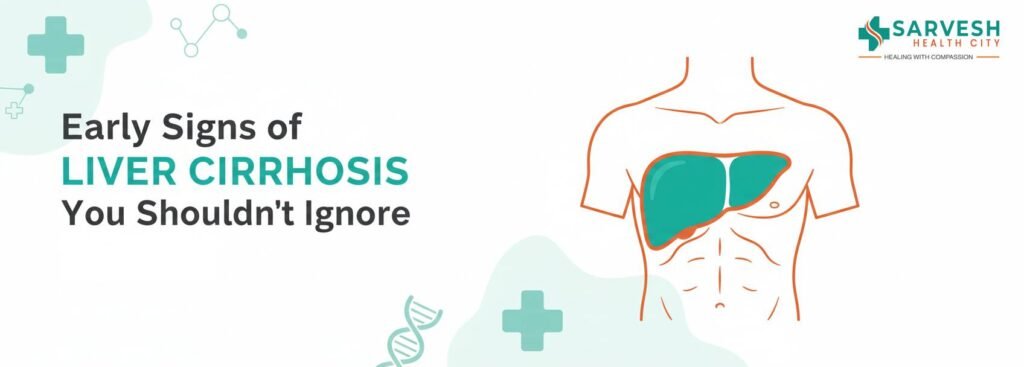
Home Blog Early Signs of Liver Cirrhosis You Shouldn’t Ignore Liver cirrhosis is a chronic and progressive disease where the healthy liver tissue are changed to scar tissue, and it loses its ability to detoxify, digest and regulate metabolic functions. As cirrhosis progresses, the fibrosis becomes permanent, affecting almost every organ of the body. However, Read More
Top 10 Questions to Ask Your Surgeon Before Spine Surgery
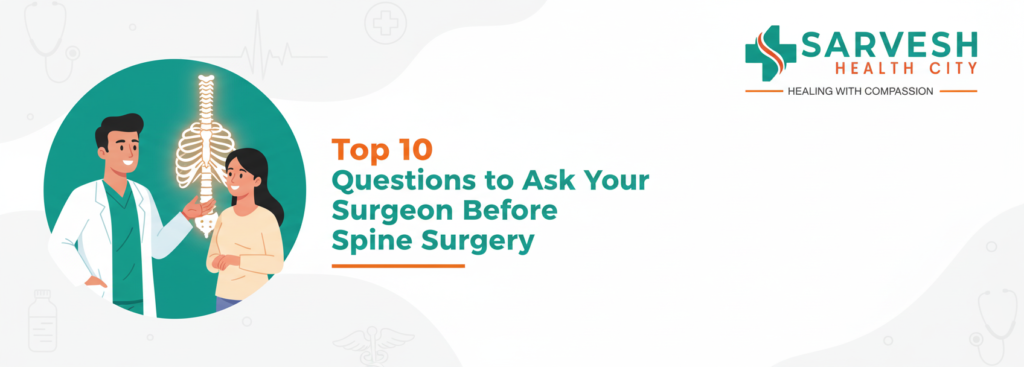
Home Blog Top 10 Questions to Ask Your Surgeon Before Spine Surgery Spine surgery uses a variety of surgical methods to treat diseases of the spine and spinal cord. The operation could include removing herniated or injured discs, draining the infection, stabilizing the spine, decompressing nerves, or repairing spinal abnormalities. Spine surgery includes discectomy, spinal Read More
Top Benefits of Arthroscopic Surgery Over Traditional Surgery
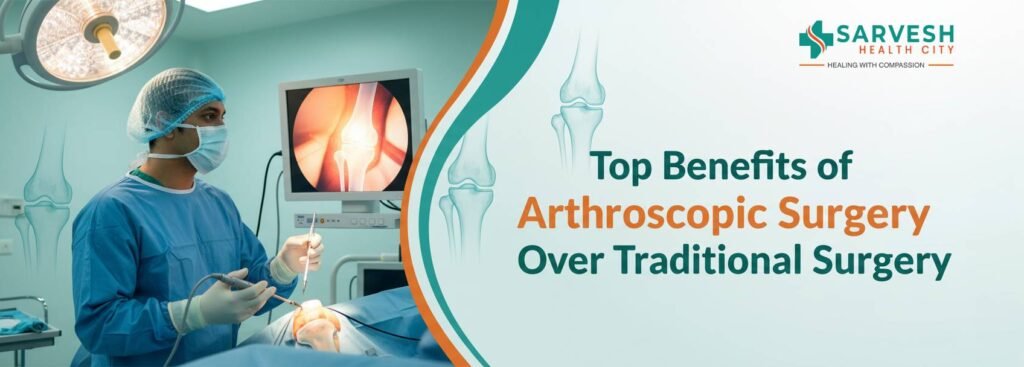
Home Blog Top Benefits of Arthroscopic Surgery Over Traditional Surgery The use of arthroscopic surgery is the most significant progress in area of orthopedic surgery. It is a minimally invasive procedure by which physicians can find and fix the issues in the joints with high precision and very little pain. In this article, we will Read More
Surgical Oncology: Understanding the Role of Surgery in Cancer Treatment
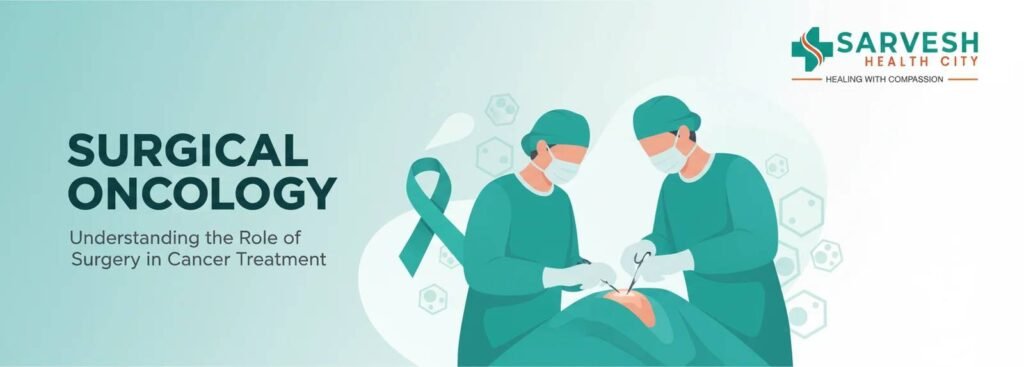
Home Blog Surgical Oncology: Understanding the Role of Surgery in Cancer Treatment Surgery has been a major part of cancer treatment, and its role has become more prominent with the continuous advancements. Surgical oncology focuses on the process of diagnosing, staging, and surgically removing cancer cells, being the first and most powerful approach when tumors Read More
How Nutrition Affects Your Child’s Development: Pediatric Insights
Home Blog How Nutrition Affects Your Child’s Development: Pediatric Insights We can observe how a balanced diet promotes children’s development at Sarvesh Health City, the best pediatric hospital in Hisar. It improves their concentration in class and boosts their immune system. Healthy nutrition also makes children feel more balanced emotionally and physically. We believe that Read More