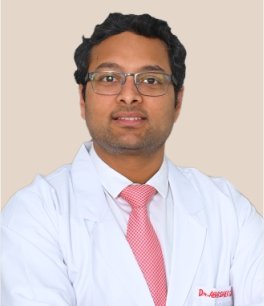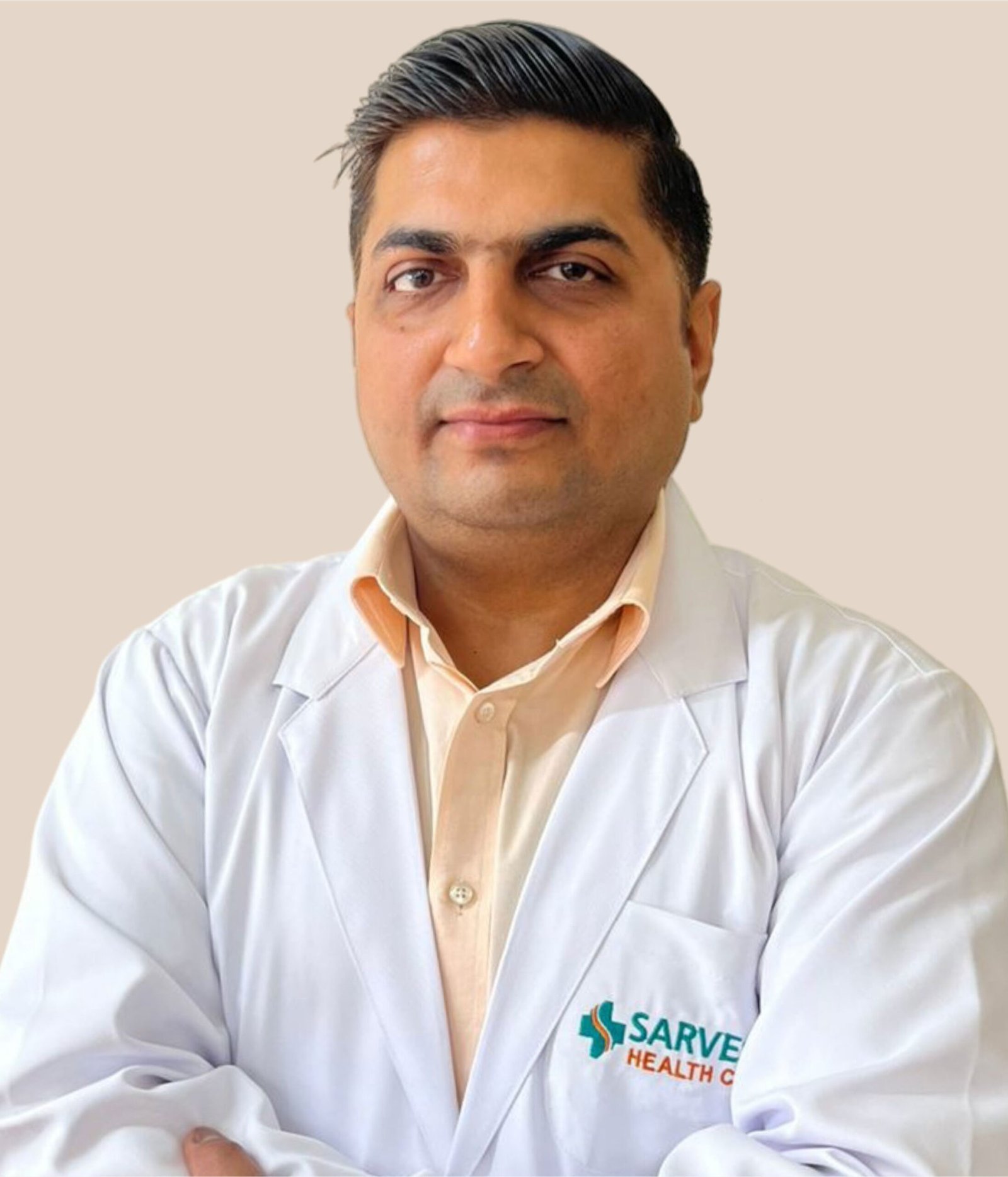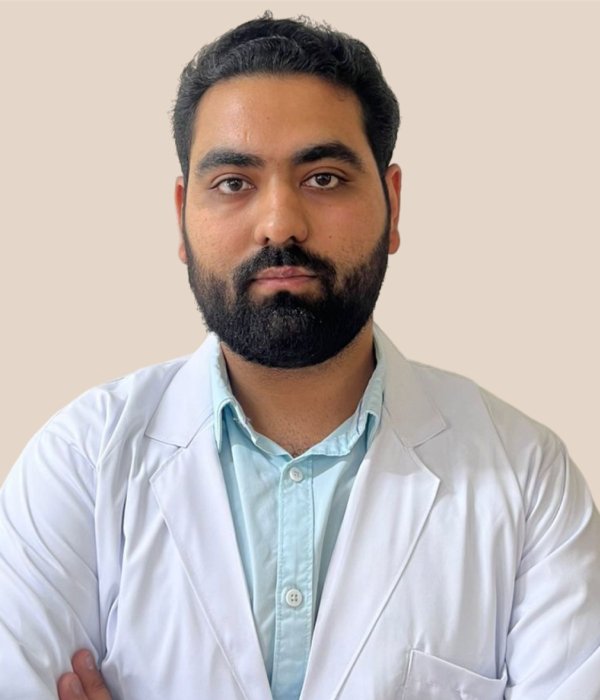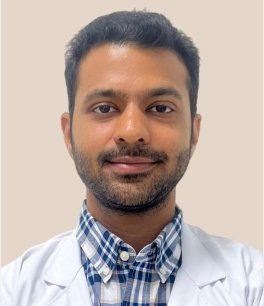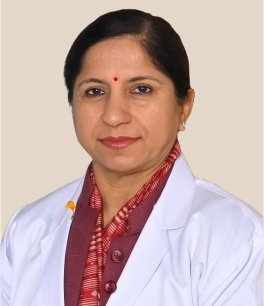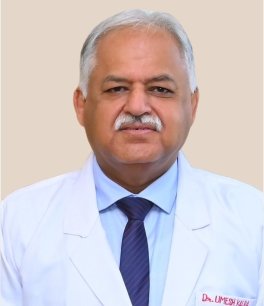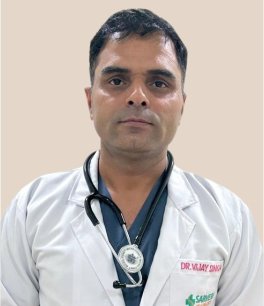
DR. VIJAY KUMAR GHODELA- View Profile
DR. SAHIL PUNIA- View Profile
Renal Transplant / Best Kidney Transplant Hospital In Hisar at Sarvesh Health City
Kidney transplantation is one of the most vital treatments because it focuses on giving patients a second chance to live a longer and healthier life. At Sarvesh Health City, we have embraced this revolutionary treatment with the aim of making it successful and affordable for all patients who seek it. Our modern equipment and qualified medical staff are focused on giving patients the highest-quality kidney transplant in Hisar.
What is a Kidney Transplant?
One can opt for a kidney transplant when the two kidneys in the body fail to work as they should. The new kidney can either be obtained from a living relative, from someone who died, or from a brain-dead donor. This transplant is needed to restore the normal filtration and clearance of blood through the kidney and the excretion of waste products from the body.
Indications for Kidney Transplant
Kidney transplants are typically indicated for patients with:
- Chronic Kidney Disease (CKD): A gradual reduction in renal function and a gradual decline in the efficiency of its work.
- End-Stage Renal Disease (ESRD): The last stage of CKD is when the kidneys’ functioning ability is extremely low and is estimated to be less than ten percent capacity.
Facilities for Kidney Transplant in Hisar
I. Living Donor Kidney Transplant
In a living donor kidney transplant, one of the kidneys is removed from a live donor, a healthy person, and placed in the recipient. The donors can be members of the family, who want to do a favor to the recipient. Advantages of living donor transplants include:
- Shorter Waiting Time: Shortening of the duration for a patient who is on dialysis.
- Better Outcomes: It will ensure higher rates of success and longer survival of the grafts.
II. Deceased Donor Kidney Transplant
Deceased donor kidney transplants, on the other hand, use those from donors who have passed on. These kidneys are shared through regional or national organ placement services. However, the waiting time for such transplants may be longer because they come from deceased people; nonetheless, they are critical for patients who cannot secure a living donor.
III. Paired Kidney Exchange
Kidney exchange programs assist patients with willing but incompatible live donors for kidney donation. Finally, in this program, a donor and recipient are paired with another unsuitable donor and recipient, thus making it possible for the two recipients to receive the kidneys directly from the two respective donors, respectively.
Kidney Transplant Procedure at Sarvesh Health City
Evaluation and Preparation
I. Transplantation starts with the assessment of whether a patient needs a kidney transplant or not. This includes:
- Medical History and Physical Examination: These investigations are useful in evaluating a patient’s general health and any hidden illnesses.
- Blood Tests: To see the compatibility of blood type and the type of tissue.
- Diagnostic Tests: Peripheral imaging studies, inclusion of cardiovascular assessment and other risk assessments to determine that the patient is fit for any surgery. The patients are also offered education concerning the transplant process, possible complications, and afterward care.
II. Surgery
Kidney transplant surgery typically lasts 3–4 hours and involves:
- Anesthesia: Sedation is done to make the patient asleep, and local or general anesthesia is used to eliminate pain.
- Incision and Placement: A cut is made in the lower belly, and the new kidney is moved to the lower stomach area.
- Connection: Organ vessels are connected to the corresponding vessels of the patient, and the blood vessels of the new kidney are connected to the patient’s blood vessels. The ureter, which is a tube that collects urine, is also connected to the bladder.
III. Post-Transplant Care
Patients are also observed for days, if not weeks, after the surgery, depending on the doctor’s recommendations. Essential aspects of post-transplant care include:
- Immunosuppressive Medication: For the body not to reject the newly transplanted kidney through the immune system of the patient.
- Regular Monitoring: Such things as blood tests and clinic visits to check on the kidney and to see any signs of complications.
- Lifestyle Modifications: A healthy lifestyle can include living healthily, eating healthily, exercising, and not getting sick.
Why Should You Choose Sarvesh Health City For Kidney Transplants?
- Experienced Doctors
Our team of doctors has specialized qualifications in nephrology, urology, and transplant surgery and is well-experienced in the successful implantation of kidneys. We continue to pursue the most modern medicine to ensure that our patients receive superior care.
- Comprehensive Evaluation and Pre-Transplant Care
The process of getting a functional kidney transplant entails a few steps. The members of the team include medical practitioners in nephrology, surgery, and cardiology, amongst others, and a transplant coordinator, and their role is to undertake an initial review to evaluate patients’ suitability for transplant. It also offers pre-transplant patient education and preparation, disease monitoring, and other measures to support the patient’s overall health prior to the procedure.
- Cutting-Edge Surgical Facilities
At the best kidney transplant hospital in Hisar, the facilities available include surgical procedures to undergo kidney transplants in the best manner with no chances of failure. Where possible, we use procedures that are not so invasive, as they allow for quick healing with little chance of complications arising.
- Long-Term Outcomes
Kidney transplants in Hisar offer significant benefits, including:
- Comprehensive Evaluation and Pre-Transplant Care
The process of getting a functional kidney transplant entails a few steps. The members of the team include medical practitioners in nephrology, surgery, and cardiology, amongst others, and a transplant coordinator, and their role is to undertake an initial review to evaluate patients’ suitability for transplant. It also offers pre-transplant patient education and preparation, disease monitoring, and other measures to support the patient’s overall health prior to the procedure.
- Improved Quality of Life: Improving the health standards of the patient and reducing the frequency of dialysis.
- Increased Longevity: The transplanted kidneys can last for many years; they can even be measured in terms of several decades.
- Enhanced Physical Function: People with such abilities can do more and perform more different tasks, which can make their lives more active.
Get the best kidney transplant treatment by choosing the best kidney transplant hospital in Hisar. We embrace the quest to enhance the quality of people’s lives through premier healthcare facilities and innovative procedures. It is our mission to ensure patient satisfaction by providing the highest possible level of care and maintaining the function of the transplanted kidney for the rest of the patient’s life.
Meet Our Experts
Experienced medical professionals for a superior patient experience.
General Question
Frequently Asked Question
A kidney transplant is a type of surgery where a healthy kidney is placed in a patient whose kidney is unable to function properly.
A kidney transplant is advised to patients who are diagnosed with end-stage kidney disease or advanced stages of chronic kidney disease where dialysis is no longer effective.
There are mainly three types of kidney transplants, namely living donor transplants, deceased donor transplants, and pre-emptive transplants, which are carried out before the patient is subjected to dialysis.
The success rate of kidney transplant surgery is high, and patients who have undergone this type of surgery have a high rate of survival and a better quality of life if they adhere to post-operative care.
It takes a few weeks to recover from a kidney transplant, and patients need to adhere to lifelong care to make sure that the new kidney is functioning properly.
You can book an appointment by calling the hospital or filling out the contact form on the website.
Because of experienced doctors, modern technology, complete care, and patient-focused services.
Yes, a kidney transplant is better than dialysis because it improves quality of life, allows for more freedom in diet, and increases long-term survival rates.
Before a transplant, you must have blood tests, tissue typing, imaging scans, heart tests, and general health checks.
A kidney from a living donor can last 15 to 20 years or more. A kidney from a dead donor usually lasts 10 to 15 years, but this depends on the patient's health and care.
If they are medically fit, kidney transplants can be safe for older people. Each case is carefully looked at based on the person's overall health and risk factors.