
DR. NIDHI MAHAJAN - View Profile
Asthma Treatment in Hisar – Expert Care for Asthma at Sarvesh Health City
Asthma can cause recurring symptoms such as coughing, wheezing, tightness in the chest and shortness of breath. These symptoms can occur throughout the day, disrupt sleep, and worsen after exposure to common allergens such as dust, smoke, pollen, cold air or respiratory infections. While cure of asthma isn’t 100% assured through medical treatment alone at times, effective intervention is indeed a great help, as it will help manage symptoms. Patients looking for asthma treatment in Hisar, Sarvesh Health City can get thorough diagnosis followed by tailored medication for inhaler devices along with a regular assessment of lung function. Our respiratory care facility at the Pulmonary & Critical Care Medicine Department offers management for asthma and other breathing disorders led by specialists and experienced teams.
What Is Asthma?
Asthma is an ongoing (inflammation of the airways) airway condition. In people with asthma the airways become inflamed and can become irritated by certain triggers causing the airways to swell, produce more mucus, and tighten the surrounding muscles. This can cause difficulty with breathing.
Some people may experience symptoms mainly at night or early morning, whilst others may experience symptoms when exercising, during the weather changes or when exposed to allergens.
As asthma can affect everyone differently, treatment will depend on your symptoms, lung function and how you respond to medication.
Symptoms Managed During Asthma Care
Asthma symptoms may appear occasionally or occur more frequently when the condition is not well controlled. They can also become worse during respiratory infections or after exposure to certain triggers.
Common symptoms when someone has asthma include:
- Wheezing – A whistling noise when breathing, especially when exhaling.
Breathlessness – Most common asthma attack where one feel difficulty breathing enough air into the lungs. - Cough and Congestion – Chronic or recurring cough which often gets worse at night, early mornings, or during exercise.
- Tightness in chest – Feeling of pressure in the chest and you can not breathe.
- Breathing difficulties at night – Coughing or shortness of breath especially at night, disturbing the sleep.
- Exercise-related symptoms – Coughing, wheezing or shortness of breath when exercising.
Severe breathlessness, difficulty speaking because of breathing problems, bluish lips or poor response to prescribed reliever medication requires urgent medical attention.
What Can Trigger an Asthma Attack?
Every individual will have different asthma triggers. Knowing what makes your symptoms worse can help you avoid unnecessary exposure.
Common triggers include:
- Dust and dust mites in the home, bed, and carpet which causes symptoms due to allergens.
- Seasonal pollen and mould in home also causes symptoms.
- Air pollution from car fumes, smoke, and particle pollution can cause respiratory symptoms.
- Tobacco smoke whether active or second-hand, can cause irritation.
- Respiratory infections such as colds and flu can cause asthma exacerbations.
- Cold air and sudden weather changes can arise allergy, causing coughing or wheezing.
- Strong Odours from perfumes, cleaning products and irritants can cause symptoms.
- Some patients can have symptoms caused by exercise.
How Is Asthma Diagnosed?
Understanding your symptoms will help to identify if you have asthma and confirm whether airflow through the lungs varies over time. A pulmonologist determines the medical history, patterns of symptoms, potential factors, and lung function before proposing a treatment method.
Some of the procedures used to diagnose asthma are:
- Clinical assessment: Asthma doctor in Hisar checks for cough, wheezing, breathlessness, potential triggers, sequence of previous asthma attacks, and also takes family medical history into consideration while assessment.
- Pulmonary function testing (PFT): This is done to measure your lung function, from airflow to lung capacity of breathing and holding onto the air.
- Bronchodilator response testing: Assessing your lung function before and after inhaled medication to relax the muscles around the airways.
- Peak flow measurement: Assesses how fast you can exhale and can help identify changes in your airflow.
- Allergy evaluation: Helps identify allergens that have caused your symptoms.
- Additional investigations: Further investigations such as FeNO, blood tests and chest imaging may be considered.
You will not normally require a chest X-ray; however it may be advised if the doctor wants to investigate another cause of your symptoms. Sometimes lung function tests may need repeating as results can be normal between asthma attacks.
Asthma Treatment and Management Options
Treatment for asthma aims to reduce airway inflammation and alleviate breathing symptoms. Treatment is decided after considering your age, frequency of symptoms, lung function, previous flare ups and how you responded to treatment, based on that treatment may be any of the following or the combination of them:
- Inhaled corticosteroids (ICS): Medications such as Budesonide and Beclometasone reduce internal airway inflammation helping to prevent symptoms and asthma attacks.
- ICS/Formoterol inhalers: Inhaled corticosteroid and formoterol. Depending on your prescribed treatment this may be used as relieving symptoms, regular maintenance, or both.
- ICS-LABA combination inhalers: Combine an Inhaled corticosteroid and long acting bronchodilator such as formoterol or salmeterol when additional control is required.
- Reliever inhalers: Medicines such as salbutamol relax tightened airway muscles and provide quick symptom relief in selected treatment plans. They should not be used as the only long-term asthma treatment.
- Leukotriene receptor antagonists: Montelukast may be prescribed in some cases. However, this should be discussed to ensure it is effective and there are no side effects on mood or behaviour.
- Long-acting muscarinic antagonists (LAMA): Tiotropium may be added to some patients’ treatment to help control asthma.
- Biologic medicines: Omalizumab, mepolizumab or dupilumab may be considered for eligible patients with severe asthma. This will be assessed by a specialist.
- Steroids: Short courses may be required in some severe flare ups. Generally long term steroids are avoided where possible.
Current asthma guidelines recommend inhaled corticosteroid-containing treatment for most people with asthma. Treatment with a reliever inhaler such as salbutamol alone is not recommended as the long-term management approach.
Why Is Correct Inhaler Technique Important?
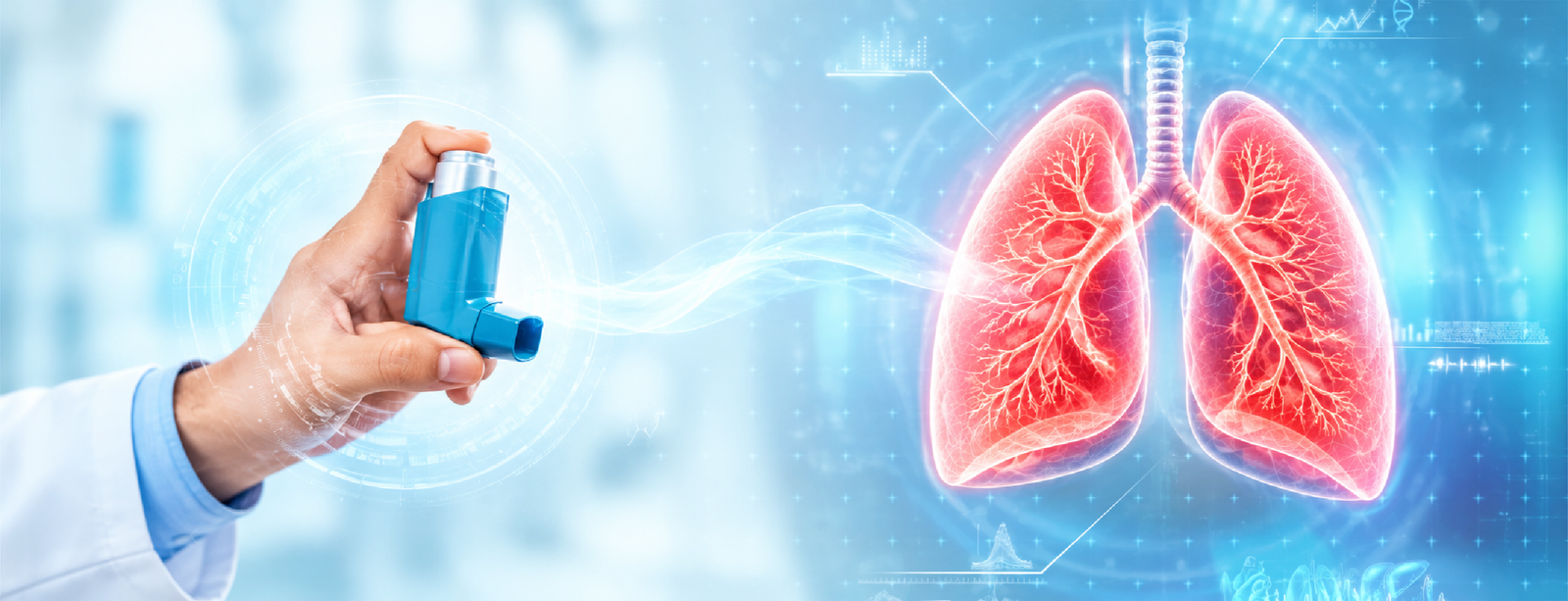
Inhalers deliver medicine directly into the airways, but the medicine works properly only when the device is used correctly. Incorrect technique can result in delivering less medication to the lungs, which means no relief in asthma symptoms.
There are different types of inhalers, and the technique will vary. Your pulmonologist or trained healthcare professional can show you the correct technique.
Key points to remember:
- Metered dose inhalers (MDI) – Learn how to press the inhaler at the same time as taking a slow deep breath. You may be advised to use a spacer.
- Dry powder inhalers (DPI) – Learn how to take a fast deep breath to inhale the medication that reaches the lungs.
- Nebulisers – Know when to use nebulised medication and how to use the mask or mouthpiece.
Patients should also know when to use their prescribed controller and reliever medicines. Rinsing the mouth after using an inhaled corticosteroid can help reduce the risk of oral thrush.
Why Choose Sarvesh Health City for Asthma Treatment in Hisar?
For asthma diagnosis and treatment in Hisar, Sarvesh Health City can be your best option to reach out for specialist respiratory assessment and treatment. The hospital have a dedicated Pulmonary & Critical Care Medicine Department, where you will get the benefits of:
- Specialist Pulmonology: Dr Nidhi Mahajan (MBBS, MD Respiratory Medicine) with an area of interest in severe asthma management.
- Pulmonary function testing: From lung function assessment to evaluating respiratory health we have dedicated facility for lungs related diseases.
- Allergy evaluation: Our experts perform testing and assessment to identify possible allergic contributors to breathing symptoms.
- Advanced respiratory diagnostics: The hospital offers access to DLCO, lung oscillometry, and other pulmonary investigations.
- Personalised asthma management: Customized and tailored treatment is recommended to every individual, based on clinical findings and their response to treatment.
- Pulmonary and critical care support: Respiratory support for those needing a higher level of care.
Book an Appointment at Sarvesh Health City
If you are experiencing recurring coughing, wheezing, tightness in the chest or shortness of breath please consult a pulmonologist.
Pulmonologist: Dr. Nidhi Mahajan
Department: Pulmonary & Critical Care Medicine
Hospital: Sarvesh Health City, Hisar
Address: Site No. 1, Sector 14, Opposite Civil Hospital, Hisar – 125001, Haryana
Appointment Numbers: +91 6901 626262 / +91 6901 636363
General Question
Frequently Asked Question
As asthma is a chronic condition, there is currently no guaranteed cure. However, with the correct treatment many patients can have good control of their symptoms.
No. Asthma is not an infectious disease and cannot be passed on from person to person. Genetic factors, airway inflammation and environmental exposures can contribute to its development.
Most people with well controlled asthma can exercise. Some may experience symptoms whilst exercising which can be managed with the correct treatment plan.
A pulmonologist is the respiratory medicine specialist who will diagnose and manage your asthma. They can assess your lung function, prescribe the correct inhaler treatment and assess your response to treatment.
Yes, some people can experience symptoms due to cold air and respiratory infections during the winter.
Take your prescribed reliever medication as part of your asthma action plan. If you are sTake your relieving medication as prescribed in your asthma action plan. If you are still having severe difficulty breathing, your symptoms are getting worse quickly or you are unable to speak in full sentences seek emergency medical help.