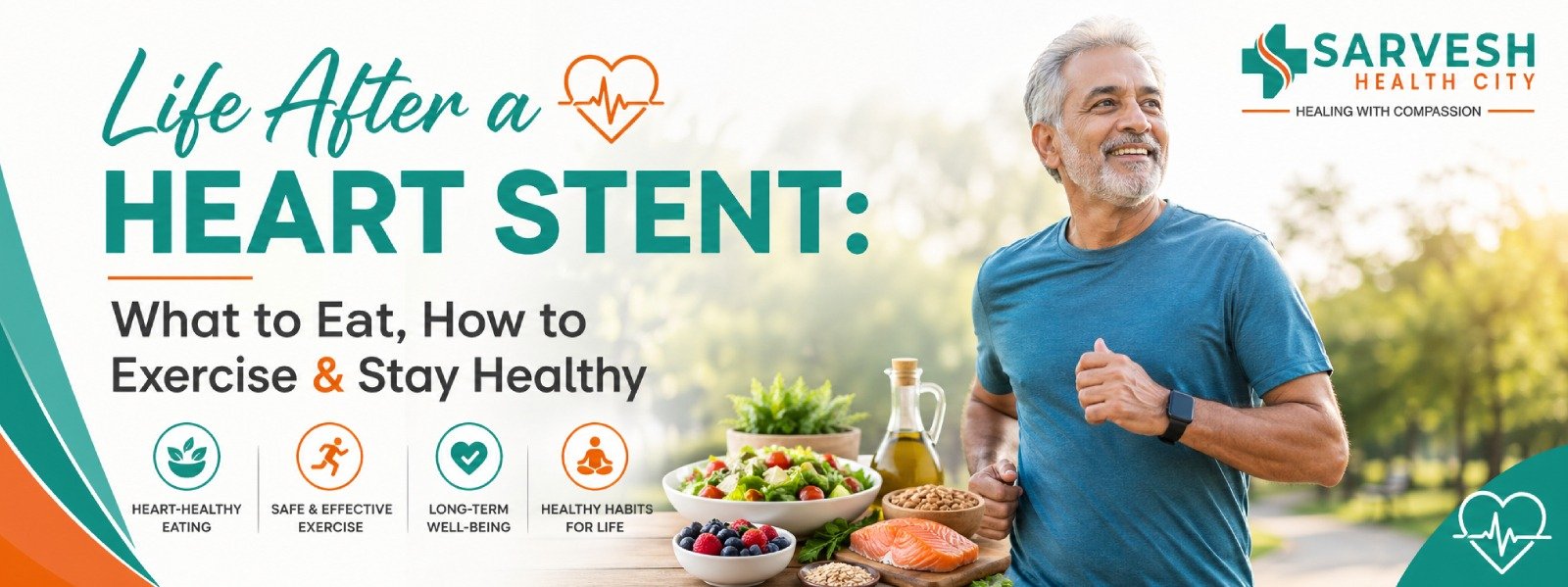
Understanding Stent Placement: What It Is, Why You Need It, and How It Works
A heart stent is a metallic mesh tube inserted into a blocked coronary artery during angioplasty. This surgical procedure is a form of therapy that is greatly helpful because it can improve the blood flow to the heart and, therefore, be able to ease the symptoms, like chest pain, and potentially lower the risk of a heart attack. Placing a stent is usually the solution after doctors discover that the blood flow to the heart muscles is significantly hampered due to plaque buildup.
The process involves the introduction of a tube that can go inside blood vessels and has a small balloon placed at the end. The blockage site is located through x-ray imaging, and the tube is further pushed to the area. Following the positioning of the balloon, it is inflated, doing the removal of the block area. The stent expands and remains in that position, ensuring the artery is open. Also, some excellent stents deliver small doses of a drug for a longer time to stop the artery from getting narrow again.
On the other hand, since the operation only rearranges the block, it does not eliminate the root cause of the heart disease, i.e., the formation of the plaques. The disease can go on developing after the insertion of a stent. Thus, it is very important for patients to make necessary lifestyle changes for their health and well-being and also to take preventive measures against complications that may arise in the future without such changes.
Why Lifestyle Changes Are Crucial After a Heart Stent
A stent does its work by increasing blood flow, but it won’t be able to get rid of the main cause of heart disease. So without changing the lifestyle, the risk of heart complications still remains high.
- Post the operation, if healthy habits are not followed, then over time the arteries again get blocked. This situation, known as restenosis, can bring about a higher level of complications.
- If one does not manage their cholesterol, blood pressure, and other risk factors, then they still have a possibility of a heart attack or stroke.
- There can be continued silent progression of arterial plaques in other arteries which can undermine the heart’s overall health.
- Medications should be taken on time, especially blood thinners, to avoid the risk of blood clots inside the stent.
- Keeping your cholesterol and blood pressure in check will not only lower the heart’s workload but also help in maintaining healthy arteries.
- Going in for regular check-ups with your doctor can lead to identifying any problems at an early stage and help in maintaining a good recovery.
Heart-Healthy Foods and Smart Eating Habits After a Heart Stent
What you eat has a big impact on protecting your heart and keeping it free from blockages. With a good diet, you can recover faster, lower your cholesterol, and feel better overall.
- Fruits and vegetables: Eating a variety of colorful fruits and vegetables every day help in reducing cholesterol and supporting heart function as they are loaded with essential vitamins, minerals, and antioxidants.
- Whole grains: Besides improving digestion and regulating blood sugar levels, wholegrain products such as oats, brown rice, and whole wheat decrease the risk of cardiovascular diseases.
- Lean proteins (fish, legumes, chicken): Besides providing the necessary nutrients to your body, lean proteins do not allow unhealthy fats to get accumulated. Fatty fish such as salmon have omega-3 in them, which makes them very healthy.
- Healthy fats: Besides helping in increasing good cholesterol levels and keeping your heart healthy, if you substitute saturated fat with healthier options such as nuts, seeds, and olive oil, your overall health will also improve.
- Portion control: By consuming the right amount of food, you will be kept away from the risk of overeating and a bad lifestyle, which imbalances heart health.
- Hydration: A sufficient water intake is essential for maintaining the functions of the entire body such as circulation and metabolism.
- Mindful eating: When you are attentive to what and how you eat, it becomes easier to make the right choices, and therefore, you can stay away from excessive snacking and emotional eating.
Best Exercises for Heart Health and the Correct Ways to Start
Exercise can help strengthen your cardiac muscles, enhance blood flow, and aid in healing. The best way to get the results you want over the years is to start slow and keep at it.
- A stepwise approach: Following a stent operation, the best idea is to start with very gentle activities and build up the intensity only after your body adjusts to the initial level. You want your body to adapt comfortably without the heart being overworked.
- Importance of Doctor Guidance: One can never be sure of the effect of a workout on a compromised heart. Therefore, the doctor consultation about the fitness of the proposed routine and the recovery stage is a must.
- Walking: Walking has to be the most rational, and yet, one of the best ways of exercising. Improvements in circulation are just one of the benefits and it is so easy to work it into your daily habits.
- Cycling: A ride on a cycle even if for a short distance can bring a good and hearty beat of your heart especially if it is combined with good breathing techniques thereby contributing to a life without any heart diseases.
- Swimming: Since swimming involves minimal weight bearing and is shock-free. This wonderful exercise is highly recommended for a lot of patients.
- Light strength training: After getting a green signal from your physician, exercises of light strength can be very beneficial in muscle building and metabolism boosting which in turn will keep the health in good condition.
Final Thoughts
Life after having a heart stent should not be viewed as a series of restrictions but rather about making smarter and healthier choices on a daily basis. The stent procedure indeed helps in the restoration of blood circulation but it is the way a person takes care of their heart that determines the state of their health in the future.
Eating a healthy and balanced diet, doing physical activities regularly, handling stress effectively, and frequent medical examinations pave the way to improve health after a heart stent. Sarvesh Health City, recognized as the best cardiology hospital in Hisar, offers patients not only treatment but also a program of lifestyle modification that helps them to be confident in their new life.