First Trimester: Focus on Folate, Protein and Tolerable Foods
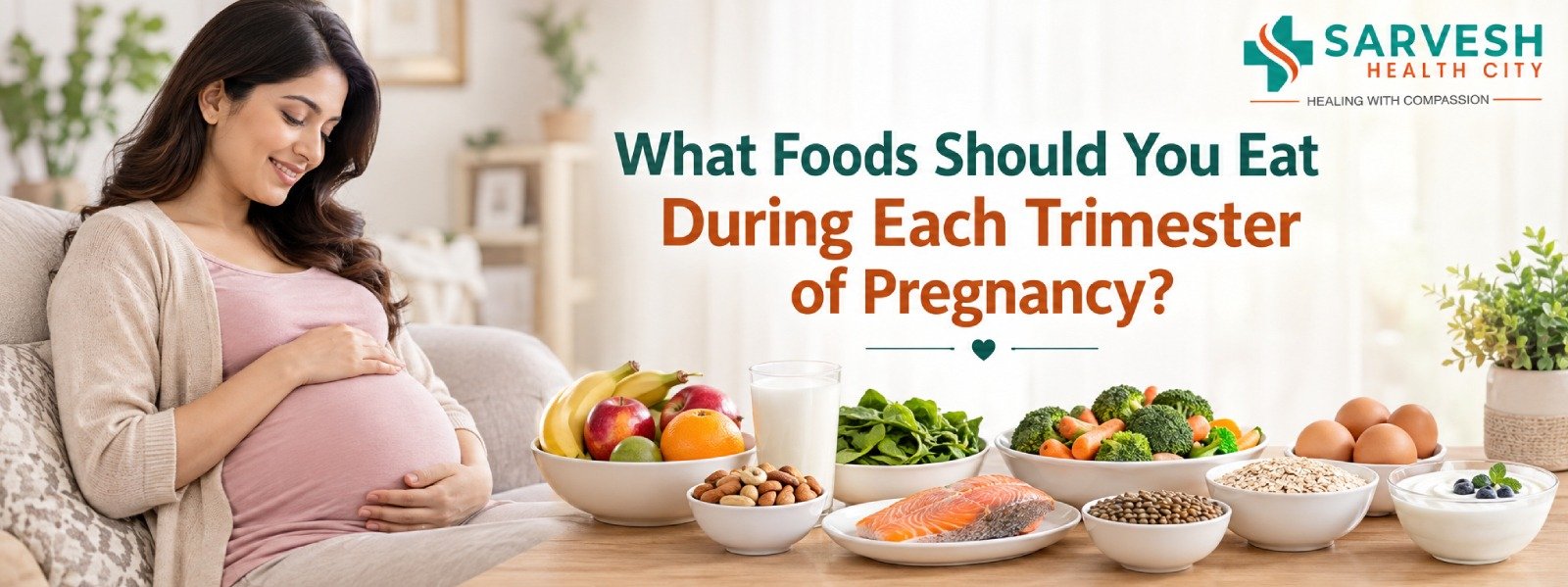
The 1st trimester of pregnancy is a crucial time for the baby’s development. While you won’t need a big jump in what you are already eating, the way you are feeding yourself is quite vital. In fact, folate, and other nutrients like protein and iron are the keys to satisfying the mother’s nutritional needs at this stage.
Aim to incorporate these food items in your weekly diet:
- Green Vegetables: Leafy greens like spinach, methi give you folate, and fiber.
- Pulses: Dal, beans, and lentils are good sources of folate, protein, and iron.
- Oranges & other citrus fruits: They help in improving vitamin C for better immunity of mother and baby both.
- Eggs: When cooked well, they are quite a nutritious meal with protein and other essentials.
- Whole Grains: Oatmeal, whole grain products, and fortified cereals are a source of fibre and energy.
- Pasteurized Milk & Dairy Products: Intake of these products help you increase proteins and calcium in the body.
Morning sickness may interfere with your appetite quite a lot. Having lighter meals and snacks may be your most comfortable option instead of sitting down to big meals three times a day. On the other hand, some odors lead you into vomiting, so if it’s the case, you can rely on foods that are neither too cold nor too hot such as plain toast, a fruit (banana), a bowl of yogurt.
Second Trimester: Build Up Iron, Calcium and Protein
In second trimester when the baby starts growing very fast, the needs for certain nutrients like iron and calcium become more. This is an ideal time to design meals that include protein, vegetables, whole grains and healthy fats, such as:
- Hemoglobin boosting food: Lentils, beans, spinach, lean meat and iron-enriched cereals.
- Calcium supplies: Milk, yoghurt, paneer, plant-based milk fortified with calcium.
- Protein-rich diet: Eggs, chicken, tofu, dal, beans and properly cooked fish.
- Fish low in mercury: Salmon, sardines and other varieties can supply DHA and protein.
- Seeds and nuts: Walnut, chia seeds and nuts provides fats and other useful nutrients.
- Grains: Brown rice, oats, quinoa and wheat-based foods give fibre and long-lasting energy to the body.
It’s better to combine sources that contain plant-based iron with vitamin C foods such as tomatoes, fruit in citrus family or lemon for efficient absorption of iron.
Third Trimester: Support Growth and Digestive Comfort
In the last few months, aside from baby’s rapid growth, the expanding stomach area puts pressure on the digestive organs, thus heartburn, constipation and a sense of being full occur often.
Trying eating smaller, more balanced meals rather than huge quantities is a better choice for both the baby and mother.
Some helpful options are:
- Protein: Choose eggs, dal (Indian lentil/pea soup), beans, chicken, tofu, paneer, and well-cooked fish to get the protein you need.
- Diet with high fiber content: Incorporate oats, fruits, vegetables, lentils, and whole grains in the daily diet, it facilitates baby’s movements and digestion.
- A diet high in magnesium: Leafy greens, nuts, seeds and legumes help meet magnesium needs through a balanced diet.
Cook foods that contain fat and oils such as nuts, seeds, avocado and good vegetable oils to increase your energy levels and supply of unsaturated fats.
Foods to Limit or Avoid During Pregnancy
Pregnant women should not consume certain types of foods because their digestion changes and risk of getting certain foodborne diseases increases. It is important to be careful when handling or avoiding the potential foodborne pathogens and mercury-rich foods that might harm your baby and make you feel very sick.
You should also keep some tips in mind:
- Avoid raw, uncooked meal.
- Only eat pasteurised milk and dairy products.
- Avoid fish that have high levels of mercury, because mercury has toxic effects on the nervous system.
- Wash all fruits and vegetables to remove dust, insecticide, soil, etc.
- Avoid alcohol during pregnancy
- Consume no more than 200 milligrams of caffeine per day.
Can Your Diet Change If You Have a Pregnancy Complication?
If you have a health problem during pregnancy, your diet plan may be a reason for concern. If one has a medical condition such as anaemia, gestational diabetes, hypertension or any other kind of issue, the healthcare provider can give you advice on what kinds of food to have, when to have them or even the serving sizes.
A personalized approach during pregnancy is particularly helpful since the nutritional requirements of a pregnant woman should be in line with her health issues, stage of pregnancy, weight, eating habits and medical problems.
Final Thoughts
Healthy food does not mean following complicated dieting when pregnant. On the contrary your goal should be to eat fresh vegetables, fruits, wholegrains, protein-containing foods, healthy fats, and suitable dairy or alternatives as per your doctor’s advice regarding vitamins and supplements.
Your requirements of nutrients may change throughout pregnancy, therefore keeping up with regular check-ups during pregnancy is very vital for maintaining good health. At Sarvesh Health City, the Obstetrics & Gynaecology department is the best gynecology hospital in Hisar for high-risk pregnancies and also offers diet plans and post-pregnancy support among a variety of maternity services.