What Is Diabetes
Diabetes is a long-term (chronic) health condition that affects how your body turns food into energy.Glucose is the key energy source of our body which comes through the food we consume. Insulin is a hormone that is produced in the pancreas and helps to transport glucose from the blood to the body cells to be utilized for energy production.
In diabetes , the body does not make enough insulin or does not respond properly to insulin . Blood sugar levels increase . In the long term, high levels of blood glucose can damage organs and tissues like the heart, kidney, eyes, nerves, and blood vessels.
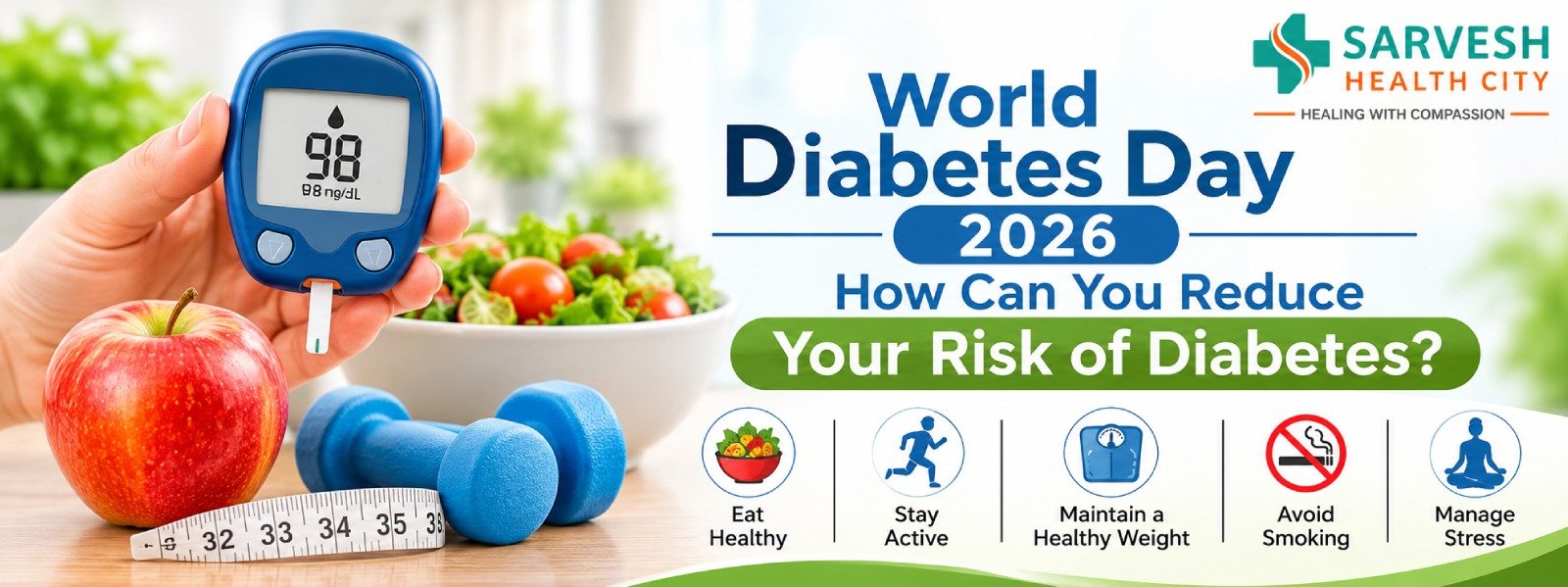
How Can You Lower Your Diabetes Risk?
1. Maintaining a Healthy Body Weight
Excess body fat, especially around the abdomen, causes insulin resistance.. Weight loss may improve how your body uses insulin. For those who are overweight and at high risk, even modest weight loss can be helpful.
Good eating habits, good food choices, portion control, regular physical activity and enough sleep are all good things. Skip crash diets and quick-fix weight loss. Focus on long term changes.
2. Follow a Balanced Diet
While there is no single food that can prevent diabetes, eating a healthy dietary pattern can help support healthy blood sugar levels and weight management. Eat fibre-rich foods like oats, whole wheat roti, whole grains, lentils, beans, chickpeas, vegetables, whole fruits, nuts and seeds in your daily diet. Use all sorts of vegetables like spinach, carrots, cauliflower, and whatever is in season. Limit sweetened beverages, soft drinks, sweetened tea or coffee drinks, energy drinks and packaged juices to reduce added sugar.
3. Work out Regularly
Exercise enhances muscles’ ability to take in glucose and may improve insulin sensitivity. As recommended by specialists, regular adults should engage in 150 minutes of moderate-intensity aerobic workout each week, giving the sam amount of time to exercise according to needs of the body. Common forms of moderate aerobic exercise include walking at a good pace, cycling, swimming, dancing, or even doing house chores with share of energy. A target can be met, for example, by a 30-minute brisk walk on five days each week. And even more benefits are gained by engaging in strength-training activities on 2 or more days a week.
4. Frequent Blood Sugar Testing
Prediabetes is when blood glucose is above normal but not high enough to be classified as diabetes. It is a marker of increased risk for developing type 2 diabetes.For certain individuals, lifestyle modifications may help delay or halt the development of the disease.
The standard tests are:
Fasting plasma glucose: A blood test that measures the glucose level in the blood after fasting.
HbA1c test: HbA1c test checks the mean blood sugar levels over the previous two or three months.
Oral glucose tolerance test: Measures how the body reacts to sugar after ingesting a solution with sugar.
Tests and screening methods will vary depending on age, symptoms, whether pregnant, medical history, and other risks. If you are obese, have diabetes in the family, high blood pressure, high cholesterol, or gestational diabetes in the past, consult your doctor about screening.. If you have identified risk factors, don’t wait for symptoms.
5. Reduce Stress and Get Enough Sleep
Long-term stress can affect sleep, eating habits and physical activity. It can also make managing blood sugar more difficult, especially for people who already have diabetes or prediabetes. Slow breathing, meditation, time outdoors, pleasurable hobbies, regular breaks, social support may be helpful.
Most adults need to sleep at least seven hours a nite, but some adults need more, and some need less. Keep regular sleeping and waking times, limit caffeine in the later hours of the day, cut down on screen time before bed, and keep the bedroom quiet and comfortable.If you are a habitual snorer, have pauses in breathing during sleep or feel abnormally sleepy during the day, ask a healthcare professional for advice.
6. Avoid Smoking and Understand Alcohol Risks
Smoking is associated with an increased risk of developing type 2 diabetes and cardiovascular disease. Long-term health benefits of stopping smoking There is help from health care professionals and smoking cessation services .
Alcohol can affect your calorie intake and blood glucose levels. The effects depend on the amount, drinking patterns, medications and health conditions. It is a smart move to limit or avoid alcohol. If you don’t drink, you don’t have to start drinking for health benefits. If you have diabetes and take medicine to lower your blood glucose, talk with your health care professional about the risks of drinking alcohol.
7. Understand Your Personal and Family Risk
Having a parent or sibling with diabetes can increase your risk, but it doesn’t guaranty you’ll get the condition. If you have polycystic ovary syndrome (PCOS) or a history of gestational diabetes, you are also at an increased risk of developing type 2 diabetes.
Tell your health care professional about your family’s medical history and follow recommendations for checking your blood glucose, blood pressure, and cholesterol. Good nutrition, physical activity and appropriate follow-up care can help manage risk.
Summary
On this World Diabetes Day 2026, be more proactive about living a healthier life by going for Sarvesh Health City. Always maintain your body weight, have balanced diets, exercise often, have enough sleep, learn to manage stress, avoid cigarette smoking, and attend diabetic screening when advised to.
Healthy lifestyles will help lower the risks of type 2 diabetes but not prevent diabetes completely. There are some types of diabetes that cannot be prevented in any way. Yet through sustainable lifestyles and frequent health checks, we can detect the risks early enough and remain healthier in the long run.
Little steps now will go a long way. Be consistent and stay healthy at Sarvesh Health City.