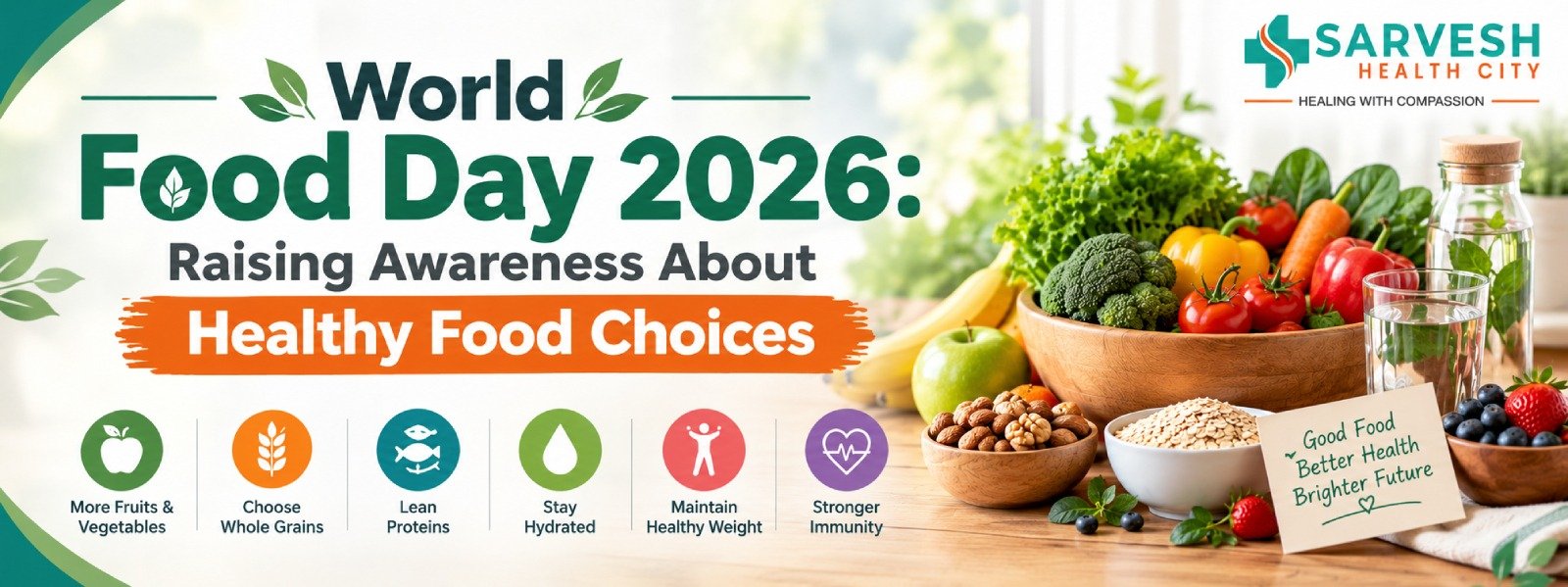
What Is World Food Day and Why Is It Celebrated?
World Food Day is celebrated on the 16th of October and marks the anniversary of FAO (Food and Agriculture Organization of the United Nations). It highlights food security, nutrition, sustainable farming and food availability for all.
Whereas World Food Day seeks to solve problems on the international level like hunger and inequality in food supply, it also highlights the problem of personal food consumption and selection. It is important to ensure not only the food security but also provide nutritious, safe and affordable food.
World Food Day 2026 asks us to consider our food choices from the perspective of our body, community and environment.
Why Balanced Nutrition Matters for Our Health
A well-balanced diet provides the nutrients needed for energy, repair of body tissues, immunity, and normal functioning of the body. However, when our diets do not contain enough variation in foodstuffs, we may be lacking in important nutrients despite having adequate caloric intake.
Carbohydrates give us energy to do different activities. We should go for foods rich in fibre content so that the process of digestion can be facilitated.
Protein assists in building up body tissues. This is more relevant during periods of growth like childhood and adolescence, as well as during sickness.
Fruits, vegetables, beans, milk and other products containing vitamins and minerals help in carrying out various processes within the body like bone formation, red blood cell formation, nerve function and immunity.
Fibre is known to help in digestion and also assist in blood sugar control and cholesterol regulation.
5 Healthy Food Choices We Can Make Every Day
1. Add More Seasonal Fruits and Vegetables
Fruits and vegetables are good sources of a wide range of nutrients and dietary fiber. The various colors of our meals may be a reflection of the different beneficial plant compounds in our diet.
Some simple ways to improve the quality of your diet are to add a fruit to your breakfast, include vegetables in your lunch and dinner, and choose fresh produce for a snack.
2. Choose Whole Grains More Often
Whole grains have more fiber and nutrients than refined grains because they contain more of the grain’s natural nutrients. We have options like whole wheat roti, oats, brown rice, barley and millets as per our choice and dietary needs.
A few small adjustments, like replacing some refined-grain foods with whole-grain varieties, can boost the nutrition of meals.
3. Include Protein in Every Main Meal
Protein helps in building muscles, repairs tissues, and performs various vital functions of our body. We can consume dal, channa, rajma, paneer, curd, eggs, fish, chicken, or any other protein source.
Diverse foods make sure that we get different nutrients, as well as enjoy our food.
4. Reduce Excess Salt
Salt intake in excess can also be a contributing factor for hypertension among some people. It is possible to cut down on salt intake by tasting food first before adding extra salt and avoiding excessively salty processed foods, while making use of other flavorful additives such as herbs, spices, or lemon.
5. Drink Enough Water
Water helps with digestion, circulation, temperature regulation, and much more. Water can be made easily available at all times of the day and consumed based on our thirst, exercise, climate, and needs.
Water is a healthier option than sugary drinks on most days.
The Connection Between Food Choices and Disease Prevention
Diet is one factor in health, as are physical activity, genetics, sleep, environment and access to healthcare. A nutritious eating pattern can help prevent and manage several chronic conditions.
Eating a diet high in fiber and low in extra sodium, added sugars, and unhealthy fats can help support heart health. Calcium, vitamin D and protein in adequate amounts are important for bone health. And a healthy diet can help manage your blood glucose levels as well, especially when combined with regular physical activity and medical advice.
But food is not a substitute for prescribed treatment. People with diabetes, kidney disease, heart disease, liver disease or other medical conditions may need individual dietary advice.
Conclusion: Making Healthy Food Choices a Daily Habit
World Food Day in 2026 tells us that making good choices related to healthy food is one of the factors that contribute to improving our individual well-being and establishing healthier communities. The healthy diet will provide our body with all the nutrients, and the sustainable use of food is helpful in saving the valuable resources for the future.
Eating varied nutritious foods, avoiding excess salt and sugars, drinking enough water, controlling portions and decreasing food wastage are small but significant things that we can do to become healthier.
A balanced diet does not involve adhering to an ideal diet. It is about making wise decisions concerning nutrition in every period of our life.
At Sarvesh Health City, it is encouraged for individuals and families to incorporate nutrition into their daily routine towards better health.