What Causes Brain Strokes in Young Adults?
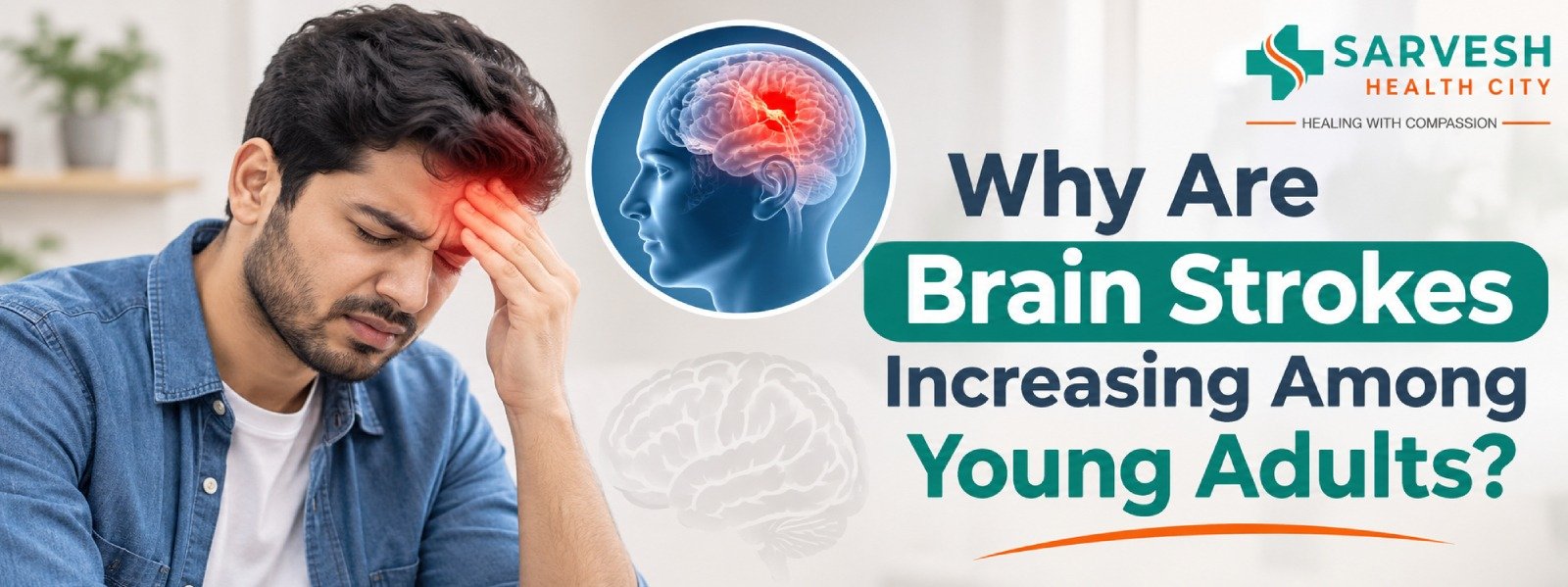
A stroke occurs when the blood supply to a part of the brain is interrupted or when a blood vessel inside the brain ruptures. As a consequence, brain tissue starts to degrade and may affect a range of capabilities such as talking, walking, remembering, and other important roles.
There are two major kinds of stroke:
- Ischemic stroke: If blood supply through arteries stop due to blood clot the situation is referred to as an ischemic stroke.
- Hemorrhagic stroke: The one caused by a ruptured blood vessel which results in the brain or it’s surrounding being flooded with blood.
It turns out that younger people who suffer from these types of medical emergency may have been diagnosed with a certain type of medical condition, such as, an atypical vascular system, clotting diseases, and a number of other diseases which lead to the stroke.
Why Are More Young Adults at Risk of Stroke?
Several interconnected factors may explain why strokes are becoming a concern among younger populations.
1. Rising Blood Pressure and Diabetes
Hypertension is among the leading factors increasing the possibility of stroke. When blood pressure remains high for an extended period, it damages the walls of blood vessels, making them more susceptible to blockages or bleeding.
Different conditions like type 2 diabetes and high cholesterol also cause vascular damage. These are frequently detected among younger adults, who may not even know they have it.
2. Sedentary Lifestyle and Unhealthy Eating
Work that is so desk-oriented with long working hours and excessive screen time can affect your health over time in the area of cardiovascular health.
Eating too much of fast food, salt, soda drinks and other unhealthy fatty foods leads to obesity, heart diseases, and insulin imbalance.
Such prolonged changes increase the likelihood of the of damage to blood vessels and stroke.
3. Chronic Stress and Poor Sleep
Overtime stress such as job stress, financial burden with work stress and also lack of proper sleep hours can lead one to develop health issues.
Continuous stress is also known to elevate blood pressure and promote unhealthy behaviours as ways to manage stress. Sleep disturbances such as sleep apnea may contribute to increased heart health risk via breathing issues during sleep due to insufficient supply of oxygen.
4. Smoking, Alcohol, and Drug Use
Smoking harms blood vessels which eventually lead to the formation of clots. On the other extreme, excessive alcoholic drinking is also known for causing the development of heart disorders.
Even electronic cigarettes have their share of dangers. The intake of nicotine through vapor can elevate heart rate and blood pressure. The impacts of vaping on the cardiovascular system over decades are still in investigation. Some types of stimulants may equally produce an unpredictable reaction triggering cardiovascular changes.
5. Genetic and Family Medical History
Some strokes are neither lifestyle nor age-related. It has been observed that certain young patients may inherit clotting abnormalities, cardiac arrhythmia, congenital blood vessel defects or autoimmune disorders.
It is also advisable to do medical checkup and screening when there is a family history of stroke and that person was the first or second relative.
Recognising the Early Warning Signs: Remember BE FAST
One of the biggest challenges with young-onset strokes is that people may mistake their symptoms for exhaustion, migraines, or temporary weakness.
Remember the BE FAST method:
- B – Balance: Sudden difficulty walking, dizziness, or loss of coordination.
- E – Eyes: Sudden blurred vision, double vision, or vision loss.
- F – Face: Drooping or numbness on one side of the face.
- A – Arms: Sudden weakness or numbness in one arm.
- S – Speech: Slurred speech or have trouble understanding a word at all.
- T – Time: See a doctor right away to get your symptoms treated.
A head hurting so badly or you getting disoriented without knowing why, might also be a good reason to believe that you are having a stroke. Even if the symptoms go back to what they were a few minutes before, don’t think that they are not worth a doctor consultation. A Transient Ischemic Attack (TIA) is an important warning that you will have a stroke in the near future.
You should keep the following in mind: Don’t leave the situation till it gets hazardous or drive yourself to a hospital. If you have any suspicion that something has just happened, call your local emergency number immediately.
Final Thoughts
We knew that strokes happen mostly in elders but they are more dangerous if they occur in young people. Blood pressure, diabetes, smoking, and sleep deprivation are known factors contributing to this problem. These can increase the risk of the brain event even if the person looks healthy outside.
Fixing a regular assessment with doctor, taking care of oneself through healthier habits, and being aware of the signs of stroke are all ways to significantly improve the health of the brain.
If you have concerns about neurologic issues or the best neurosurgeon in Hisar and want to understand the role of brain strokes increasing among young adults, raising awareness about the need for prompt diagnosis and specialized care should help. Sarvesh Health City‘s Centre for neurosciences offers neurosurgical services that give patients access to the correct evaluation and treatment.